
FDA-Approved Indication
Diabetic Lower-Extremity Wounds
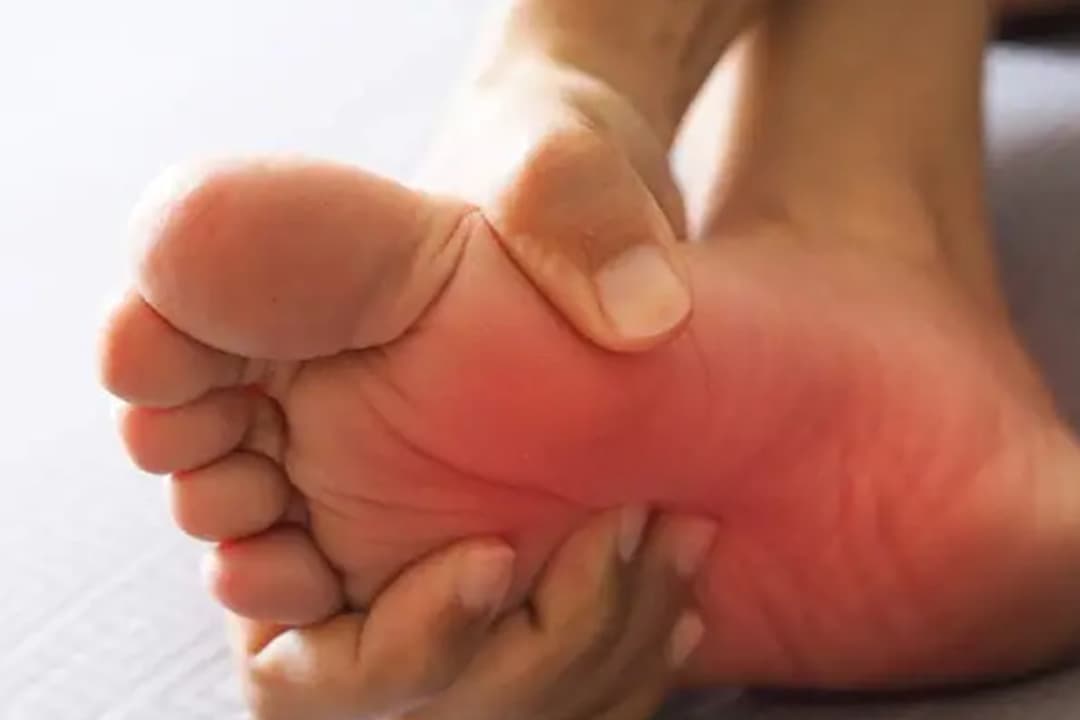
Diabetic foot ulcers that haven't responded to standard care for 30+ days are an FDA-approved indication for hyperbaric oxygen therapy and a focus of our wound program.
- FDA-Approved Indications
- Hard-Shell Medical-Grade Chambers
- Board-Certified Physicians
- Medicare & Major Insurers Accepted
How HBOT helps
Diabetic Lower-Extremity Wounds & hyperbaric oxygen

Medically reviewed by Dr. Manoj Sadhnani
Board-Certified Podiatric Physician & Surgeon · Last reviewed June 2026
Diabetes damages the small blood vessels that feed the feet and legs, so even a minor wound can become an ulcer that refuses to close. Hyperbaric oxygen therapy raises the oxygen tension in plasma high enough to reach tissue that microvascular disease has cut off, which supports new capillary growth, infection control, and the cellular signals needed for closure.
Watch
Diabetic Wounds & HBOT, explained
Why diabetic wounds are different
Three things stack up against diabetic wounds: reduced blood flow, impaired immune response, and neuropathy that masks early warning signs. By the time a patient notices the wound, infection has often set in and the tissue is already oxygen-starved. HBOT directly addresses the oxygen-delivery piece of that picture.
- Wagner Grade 3 or higher ulcers are the strongest indication
- Wounds that have failed 30+ days of standard care
- Patients who have had vascular workup and offloading optimized
Our limb-salvage approach
Our program is built around limb salvage. Before recommending HBOT, we coordinate with your vascular team, podiatrist, and primary care to make sure perfusion, offloading, glucose control, and infection management are all in place. HBOT then amplifies the work being done by the rest of your care plan.
Coverage
HBOT for diabetic lower-extremity wounds is an FDA-approved indication and is typically covered by Medicare, Medicaid, and most major insurers when documentation supports medical necessity. Our team handles the paperwork and pre-authorization on your behalf.
Why patients with diabetic wounds choose HBOTQ
- Often allows wound closure where amputation was being considered
- Reduces infection burden in the wound bed
- Supports new blood vessel growth in chronically ischemic tissue
- Improves outcomes when combined with offloading and glycemic control
What to expect
From first call to last treatment
Most patients say the hardest part is picking up the phone. Here’s how the rest looks once you do.
Book a free consultation
Tell us about your condition. Our team responds quickly, answers your questions, and schedules an in-person evaluation with our medical team.
Meet your physician
Your physician reviews your medical history, examines you, and discusses whether HBOT is the right fit. If it is, we coordinate with your other doctors and handle insurance pre-authorization.
Treatment in the chamber
You'll arrive, change into cotton scrubs, and settle into one of our hard-shell hyperbaric chambers. Sessions are about 90 minutes — most patients read, watch a movie, or nap.
Track progress, adjust the plan
We measure progress throughout your course of treatment. Your physician reassesses regularly to make sure the plan is still right, and we communicate clearly with you the whole way through.
Patient Stories
People healing in Queens
“After a year of failed wound treatments, my foot finally closed after a few weeks at HBOTQ. The team explained every step and I never felt rushed.”
“I lost most of my hearing in one ear overnight. My ENT sent me to HBOTQ within 48 hours and I got a meaningful amount back. I'm grateful every day.”
“Radiation from my throat cancer treatment left me unable to have dental work done. The HBOTQ protocol made my extractions possible without further damage.”
“The chamber is bigger and more comfortable than I expected. I bring a book, the team checks in throughout, and the time flies by.”
“After months of post-COVID fatigue, I'm finally back to working out. HBOTQ was honest about expectations, which I appreciated.”
FAQ
Diabetic Wounds — common questions
- Course length depends on your condition. Sudden hearing loss is typically 10–20 sessions. Most wound and radiation injury protocols run 20–40 sessions. Off-label protocols are often 30–40 sessions. Your physician will lay out an exact plan after evaluating you and will reassess regularly.
Sources & further reading
This page is informational and reviewed by our medical team. For the underlying evidence, see:
Related conditions
Non-Healing Wounds
FDA-ApprovedWounds that haven't closed after 30 days of standard care often respond to hyperbaric oxygen therapy when oxygen delivery to the tissue is the missing factor.
Learn more
Chronic Pain
Off-LabelFor appropriate patients, hyperbaric oxygen therapy can reduce inflammation, support tissue repair, and complement other pain management strategies. Most chronic pain indications are off-label.
Learn more
Ready to find out if HBOT can help?
Book a free consultation with our medical team. We'll review your situation honestly and let you know whether hyperbaric oxygen therapy is the right fit.
- Free & no obligation
- Medicare & major insurers accepted
- Honest answers from our physicians